1939–1945 · The History
What Was the Battle
of the Atlantic?
The six-year struggle for control of the Atlantic Ocean - the longest continuous military campaign of the Second World War, and the one on which every other Allied victory depended.
Battle of the Atlantic · Key Facts
The full duration of the war
Allied merchant ships lost
Allied lives lost at sea
U-boats destroyed
German submariners lost
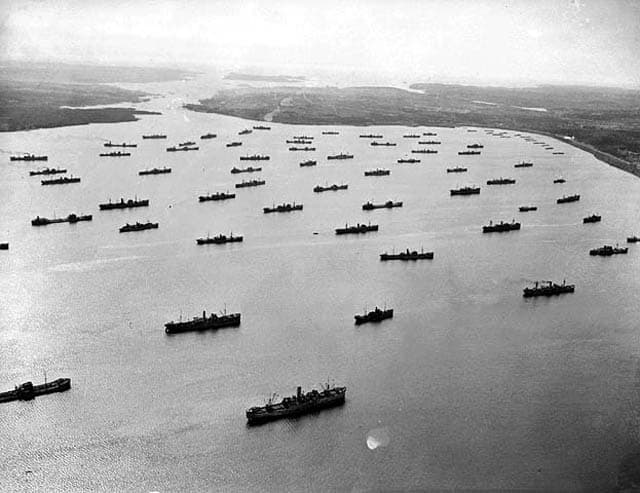
Ships in port on the Mersey at busy times
The Longest Campaign of the Second World War
The Battle of the Atlantic was the struggle for control of the sea routes between North America and Britain. It began on the first day of the Second World War in September 1939, when the liner SS Athenia was torpedoed, and it did not end until the German surrender in May 1945 - making it the longest continuous military campaign of the entire war.
Britain depended on the sea for survival. Food, fuel, raw materials, weapons, and eventually the American and Canadian troops needed for the liberation of Europe all had to cross the Atlantic by ship. Germany's U-boat fleet set out to cut that lifeline. If the U-boats had won, Britain could have been starved out of the war - there would have been no D-Day and no Allied victory in western Europe. Winston Churchill later wrote that the U-boat peril was the only thing that ever really frightened him during the war.
Convoys and Wolf Packs
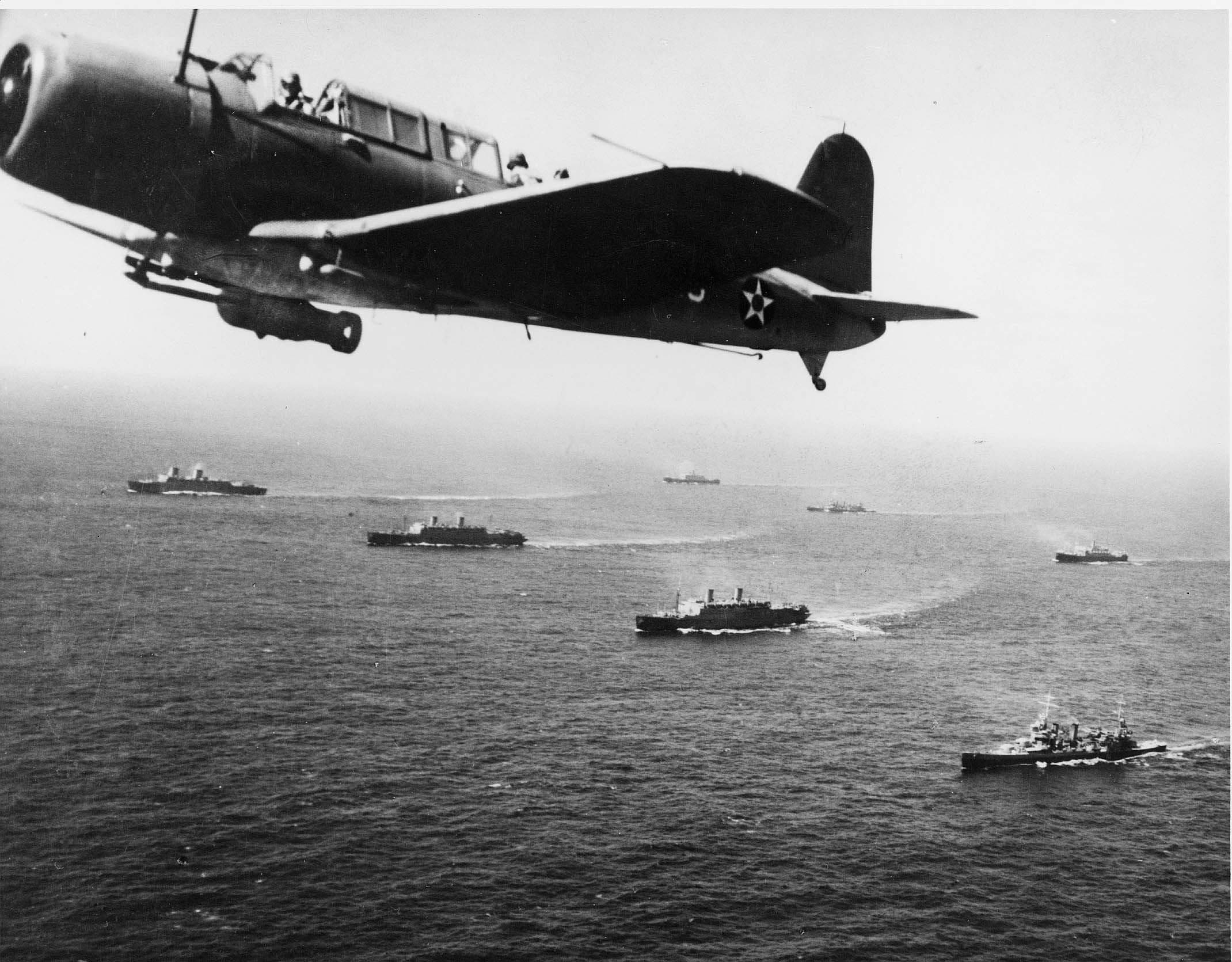
The Allied answer to the U-boat threat was the convoy system: merchant ships crossing in organised groups, escorted by warships and, where possible, aircraft. Convoys crisscrossed the ocean throughout the war, often through mountainous seas and Arctic cold, under constant threat of attack.
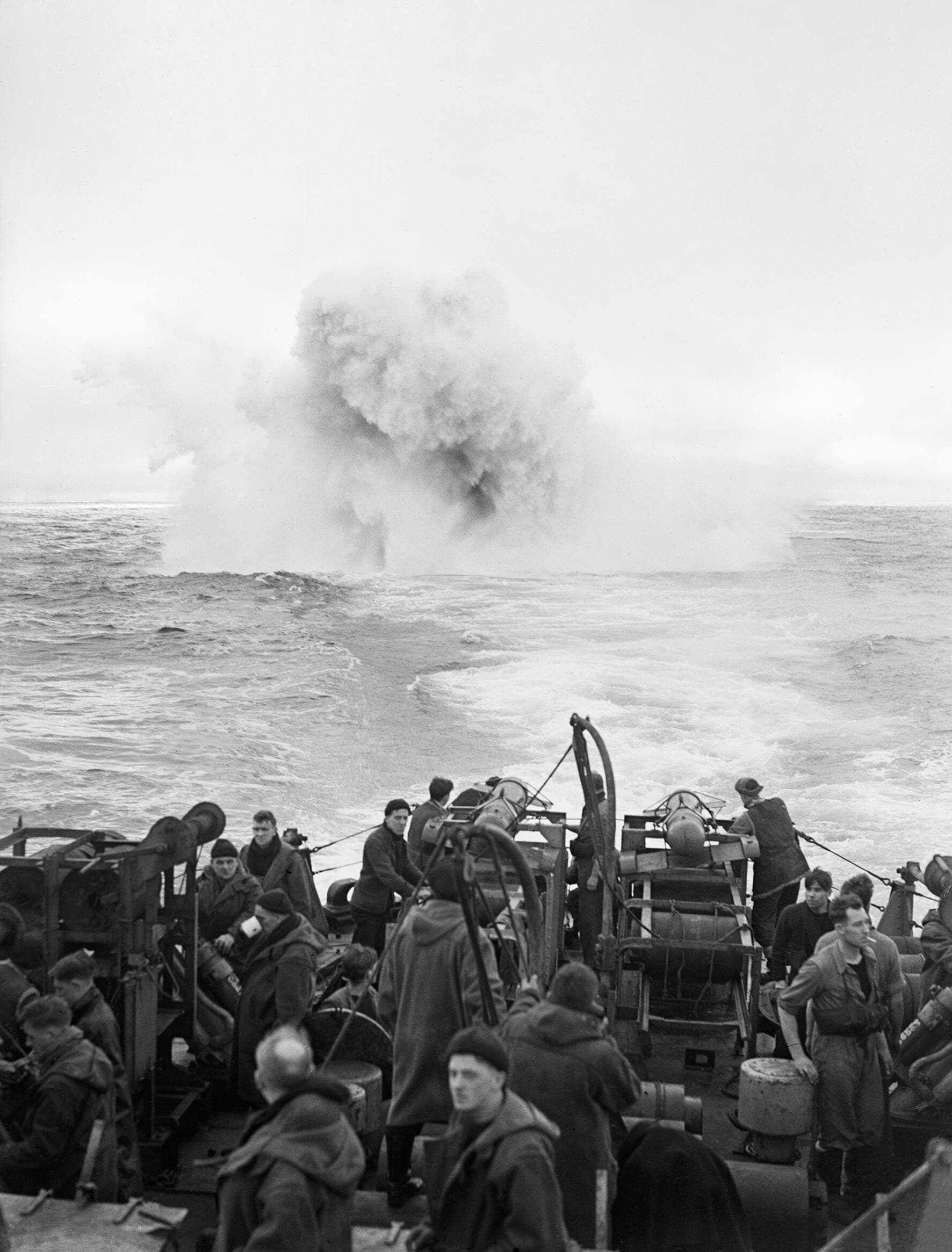
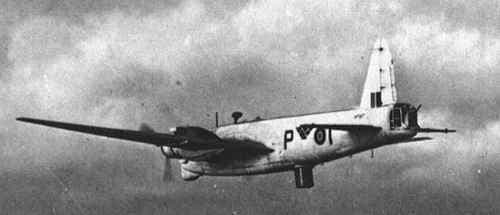
Against them, German U-boats hunted in coordinated groups - the infamous “wolf packs” - directed by radio to converge on a convoy and attack at night on the surface. In the darkest months of 1940-42, Allied shipping losses were catastrophic. The battle became a deadly technological race: radar, ASDIC (sonar), high-frequency direction finding (“Huff-Duff”), the Leigh Light, long-range aircraft, and the breaking of the German Enigma codes gradually swung the advantage to the Allies. In May 1943 - “Black May” for the U-boat arm - Germany lost 41 boats in a single month and withdrew from the North Atlantic convoy routes. The lifeline held.
Why Liverpool and Birkenhead Were at the Heart of It
From 1941, the entire campaign was directed from Liverpool. Western Approaches Command, based in an underground bunker at Derby House, controlled the routing and protection of every convoy in and out of Britain’s north-western ports. Admiral Sir Max Horton, Commander-in-Chief Western Approaches, called Liverpool “the lifeline of the Atlantic”. The bunker survives today as the Western Approaches Museum, a short ferry ride from our own site.
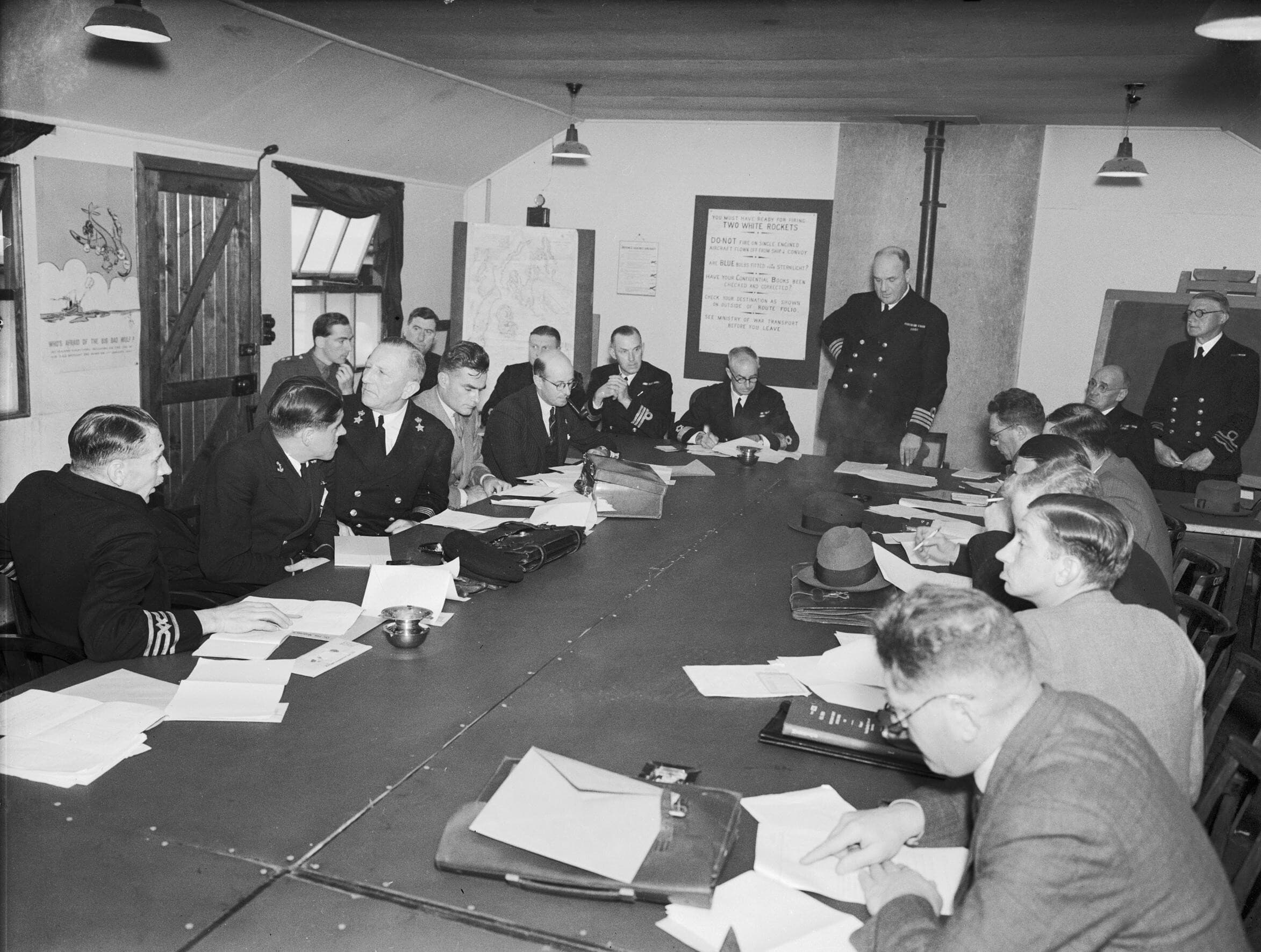
The Mersey was the busiest convoy port in Britain: over a thousand convoys arrived or departed here during the war. Across the river from Liverpool, Birkenhead’s Cammell Laird shipyard built and repaired the warships and merchant vessels that kept the Atlantic lifeline open, while the docks on both banks handled millions of tons of vital cargo. Merseyside paid a heavy price - the Blitz of May 1941 made it the most heavily bombed area of Britain outside London. It is on this waterfront, at Woodside in Birkenhead, that the Battle of the Atlantic Story museum is being created.
The Human Cost - On Both Sides
More than 70,000 Allied sailors, merchant seamen, and airmen lost their lives in the Battle of the Atlantic, including over 30,000 men of the Merchant Navy - civilians who sailed into danger voyage after voyage. They came from every corner of the world: Britain, Canada, the United States, Norway, Greece, the Netherlands, India, West Africa, Yemen, Somalia, and beyond.
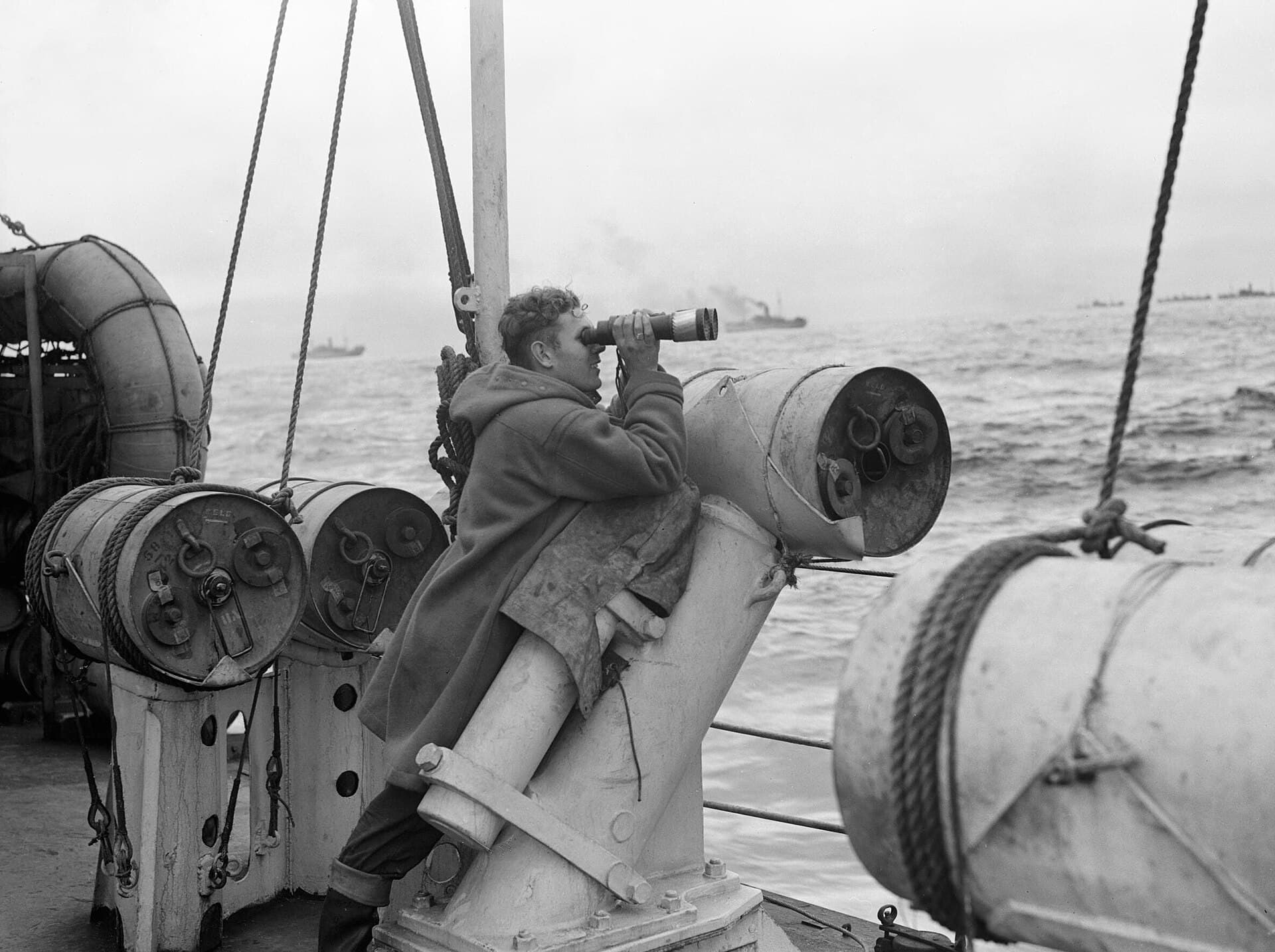
The cost to the attackers was even more severe in proportion. Of around 40,000 men who served in the U-boat arm, some 28,000 - roughly seven in ten - did not survive the war. Our memorial remembers all who served and died in the Atlantic, on every side of the conflict.
U-534: A Survivor of the Final Days
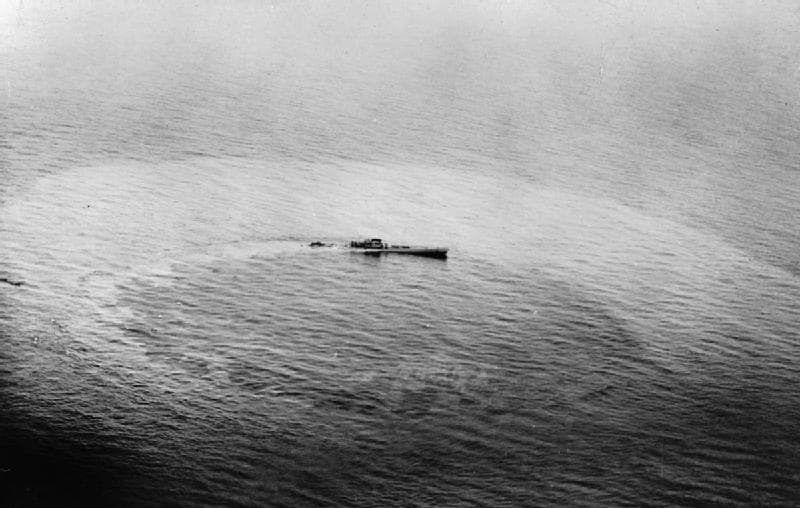
The story of the battle is told at our museum through U-534, a Type IXC/40 U-boat sunk by RAF aircraft in the Kattegat on 5 May 1945 - two days before Germany’s surrender - and raised from the seabed in 1993. She is the only U-boat ever recovered after being sunk in combat, and the letters, diaries, and personal belongings found aboard her give an unmatched insight into the lives of the young men who crewed the U-boats.
Experience the Story in Person
The Battle of the Atlantic Story opens in 2027 at Woodside, Birkenhead - on the Mersey waterfront where the battle was fought, supplied, and won.